Things to do
10 experiences hand-picked by local taxi drivers
- 1
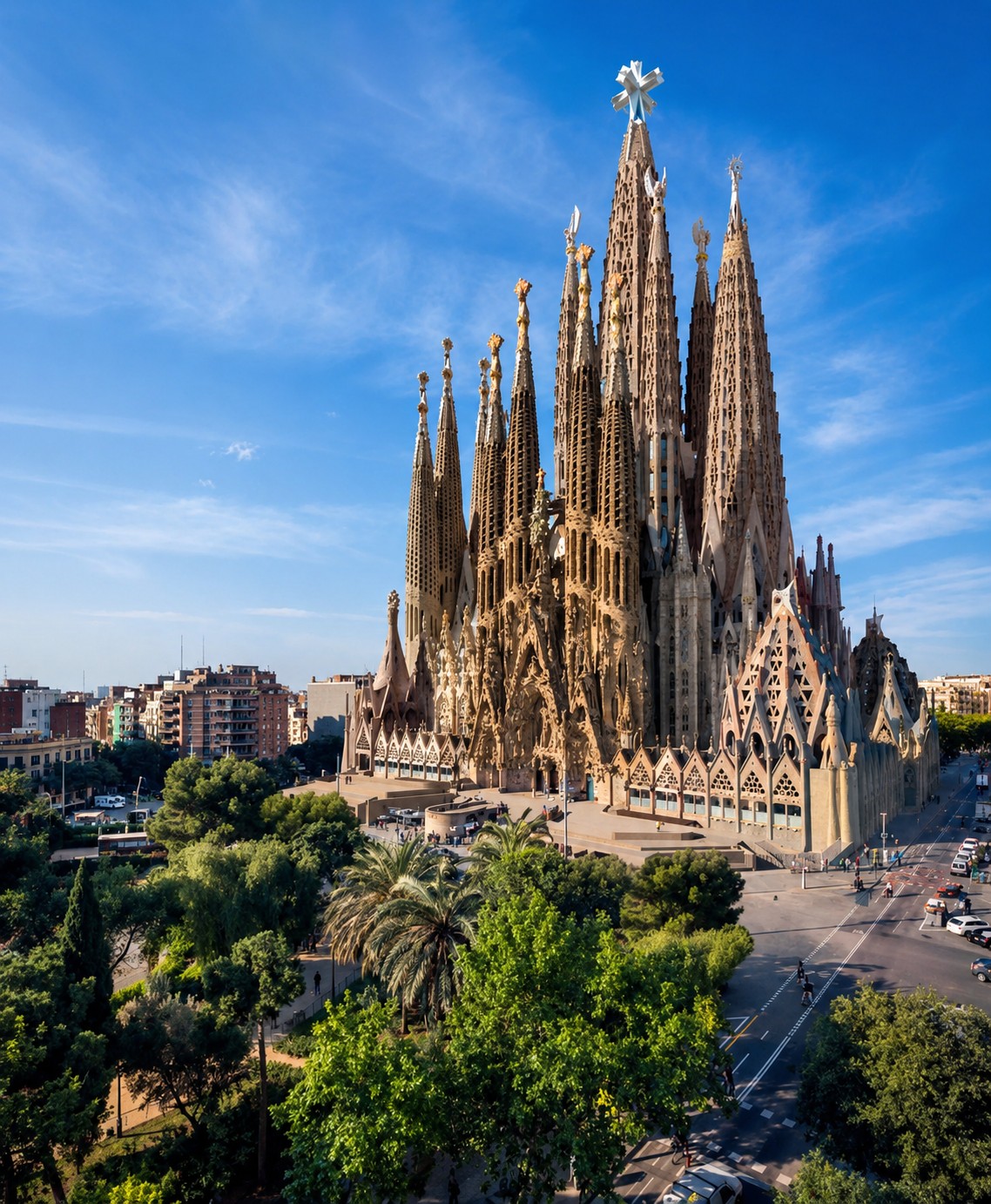
Gaudí's unfinished masterpiece and the symbol of Barcelona — a soaring basilica of stone forests, colored light and organic shapes unlike any other church in the world.
Begun in 1882 under architect Francisco de Paula del Villar, the project was taken over a year later by a 31-year-old Antoni Gaudí, who reimagined it as a monumental basilica inspired by nature and Christian symbolism. Gaudí devoted the last 43 years of his life to it, dying in 1926 with less than a quarter built. Construction has continued for over 140 years thanks to private donations and ticket sales, with completion aimed at 2026, the centenary of Gaudí's death. It is essential because it is considered the greatest work of Catalan Modernisme and a UNESCO World Heritage Site.
2hBarcelonaBook from €34ReserveSagrada Familia — See detailsSkip the line from €97Reserve - 2
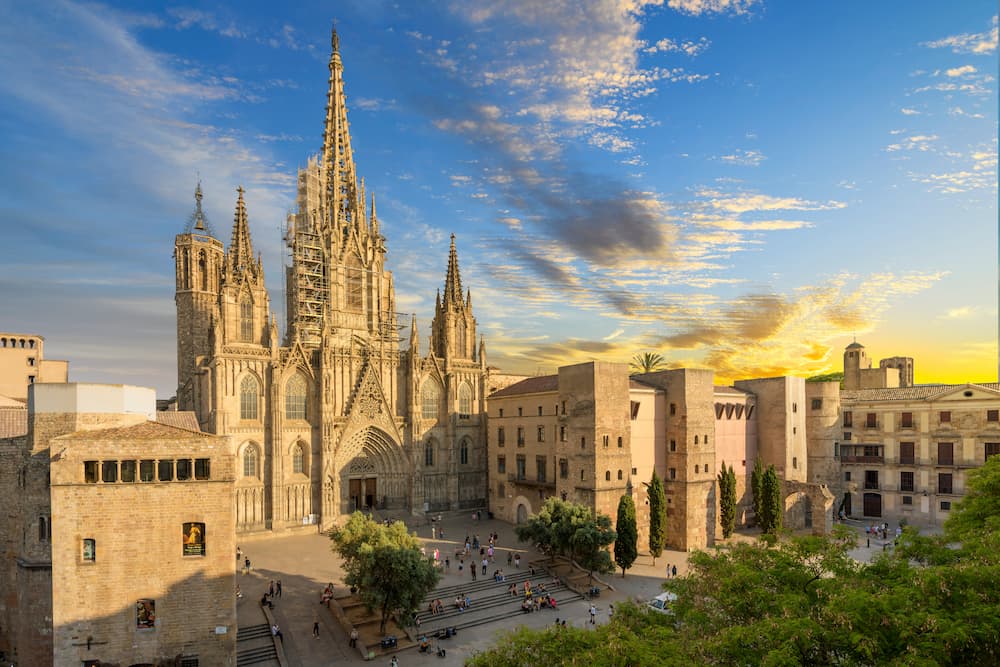
Wander the medieval alleys of the Gothic Quarter, where Roman walls meet hidden squares and centuries-old cafés. Step inside the Barcelona Cathedral to admire its Gothic cloister and serene rooftop views.
The Gothic Quarter sits directly over the ancient Roman colony of Barcino, founded around the 1st century BC. Its cathedral was begun in 1298 under Catalan Gothic master Berenguer de Montagut and largely completed by the mid-15th century, though its ornate neo-Gothic facade was added in the 19th century. It remains the spiritual heart of Barcelona because it preserves nearly 2,000 years of layered history — Roman walls, medieval alleys and a Gothic cloister that still houses 13 white geese in memory of Santa Eulàlia.
2hBarcelonaGothic Quarter & Cathedral of Barcelona — See detailsBook from €26Reserve - 3
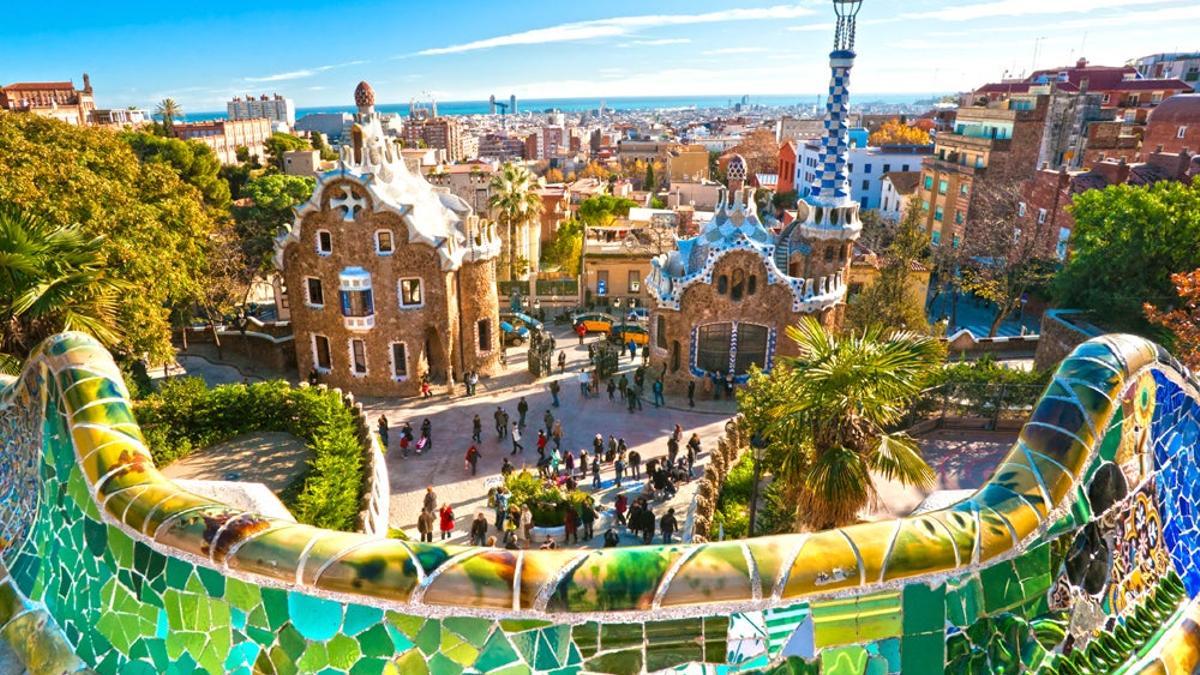
Park Güell
4.8Gaudí's whimsical park blends fairy-tale mosaics, winding paths and panoramic views of the city and sea. Perfect for a relaxed morning stroll among the artist's most colorful outdoor creations.
Commissioned by industrialist Eusebi Güell and designed by Antoni Gaudí, work began in 1900 as a luxury garden-city of 60 houses. Only two plots were sold, so the project was abandoned and donated to the city, opening as a public park in 1926. It is essential because it shows Gaudí at his most playful: mosaic dragons, undulating benches and paths that follow the natural terrain, all crowned by UNESCO World Heritage status in 1984.
2hBarcelonaPark Güell — See detailsBook from €29Reserve - 4
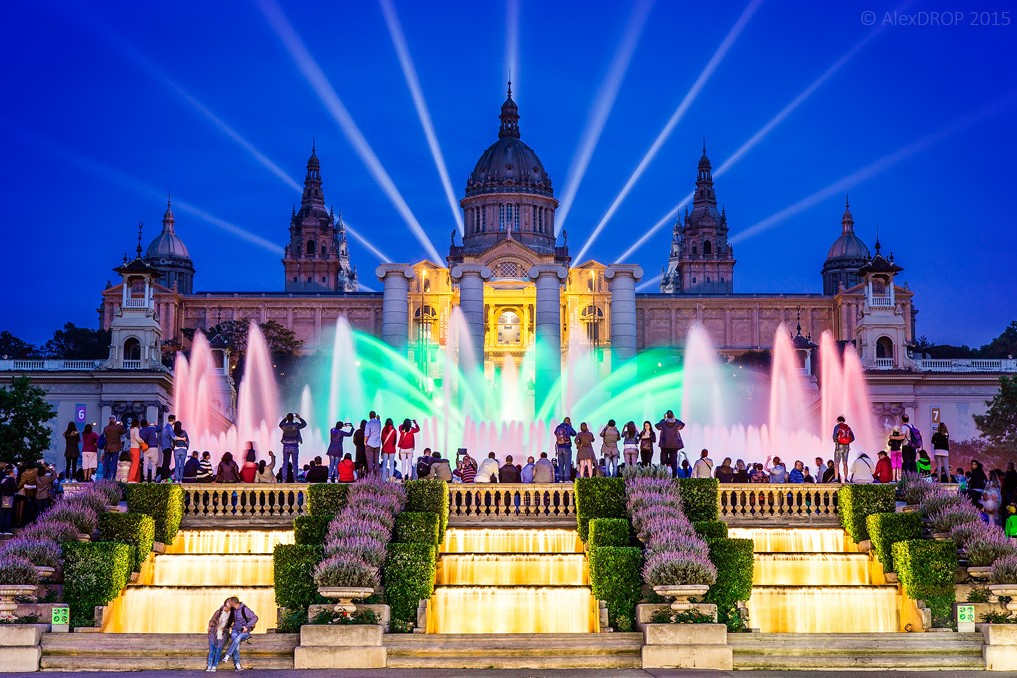
Watch the famous Montjuïc fountains light up in a spectacular show of water, music and color. A magical evening stop after a day of sightseeing, and completely free to enjoy.
Designed by engineer Carles Buïgas and unveiled for the 1929 Barcelona International Exposition, the fountain was built in less than a year on the slope below the Palau Nacional. It was damaged during the Spanish Civil War and restored in 1955, with music and light choreography added in the 1980s. It captivates visitors because more than 2,600 litres of water per second dance in time to light and music against the dramatic backdrop of Montjuïc.
1hBarcelonaMagic Fountain of Montjuïc — See details - 5
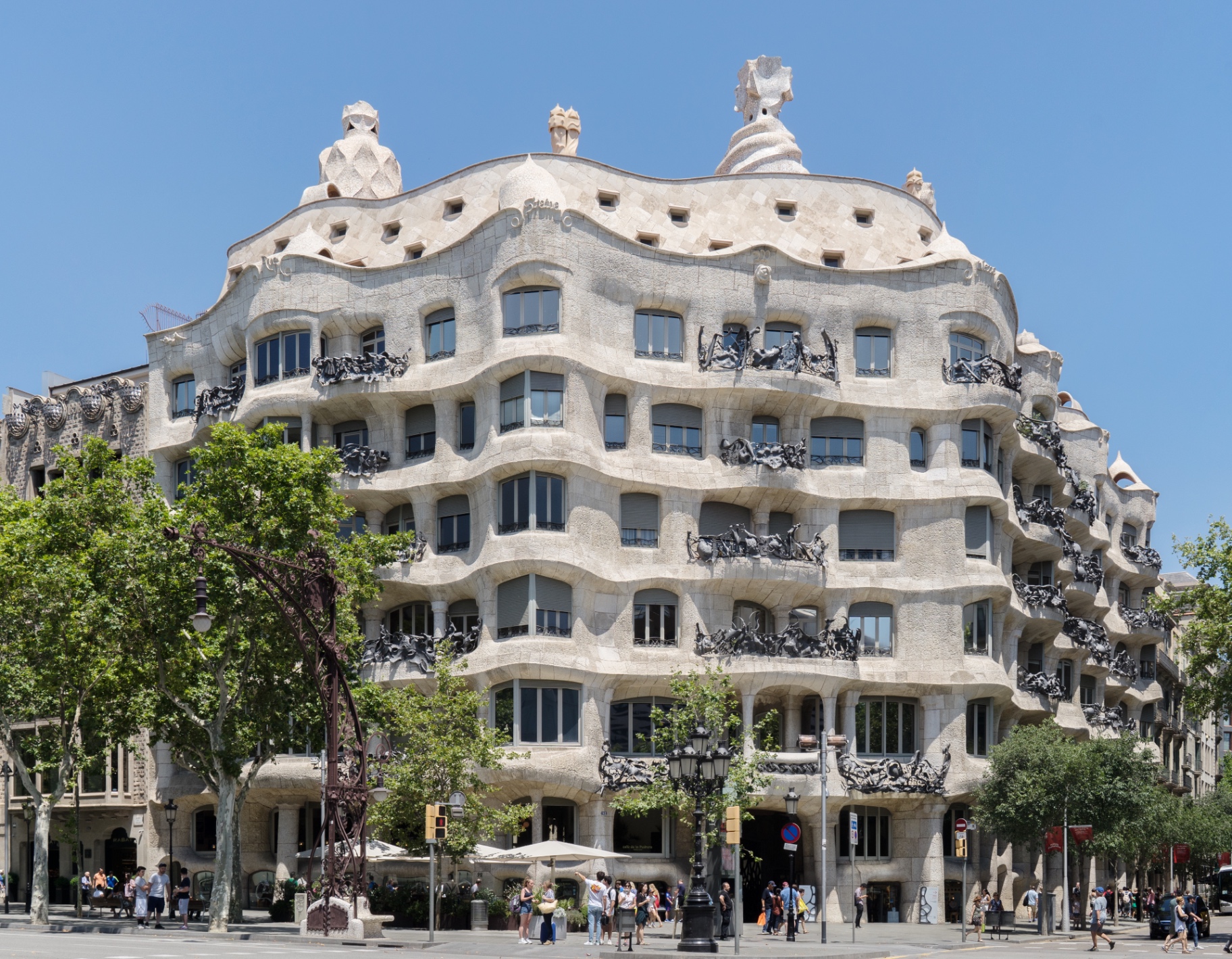
Gaudí's wavy stone facade on elegant Passeig de Gràcia hides a surreal rooftop of chimneys shaped like warriors. One of the most photographed buildings in Barcelona.
Built between 1906 and 1912 by Antoni Gaudí for the wealthy Milà family, it was his last civil project before he devoted himself entirely to the Sagrada Familia. Nicknamed 'La Pedrera' (the quarry) for its raw stone facade, it broke every rule of early-20th-century architecture: no straight lines, no load-bearing walls, and a self-supporting steel structure. Declared a UNESCO World Heritage Site in 1984, it is essential as the boldest experiment of Catalan Modernisme applied to a private residence.
1.5hBarcelonaCasa Milà — La Pedrera — See detailsBook from €25Reserve - 6
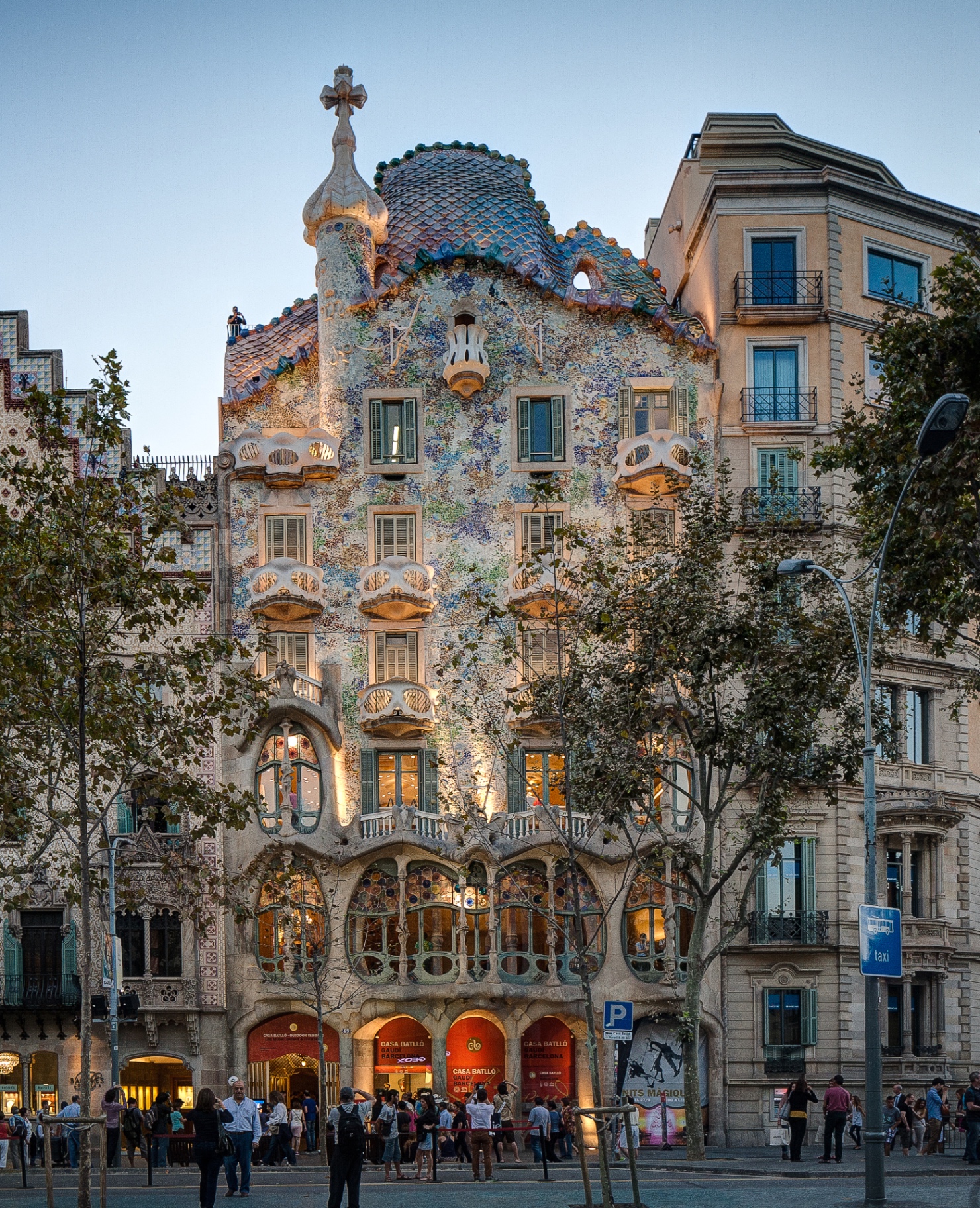
Casa Batlló
4.8A fairy-tale facade of shimmering tiles, bone-like balconies and a dragon-scale roof — Gaudí's most colorful and poetic house in the heart of the city.
Originally built in 1877, the house was completely reimagined by Antoni Gaudí between 1904 and 1906 for the textile industrialist Josep Batlló. Gaudí covered the facade with a trencadís mosaic of glass and ceramics and crowned it with a scaly roof said to represent Saint George slaying the dragon, patron saint of Catalonia. It is essential because it is considered one of the most creative expressions of Modernisme and a UNESCO World Heritage Site since 2005.
1.5hBarcelonaCasa Batlló — See detailsBook from €39Reserve - 7
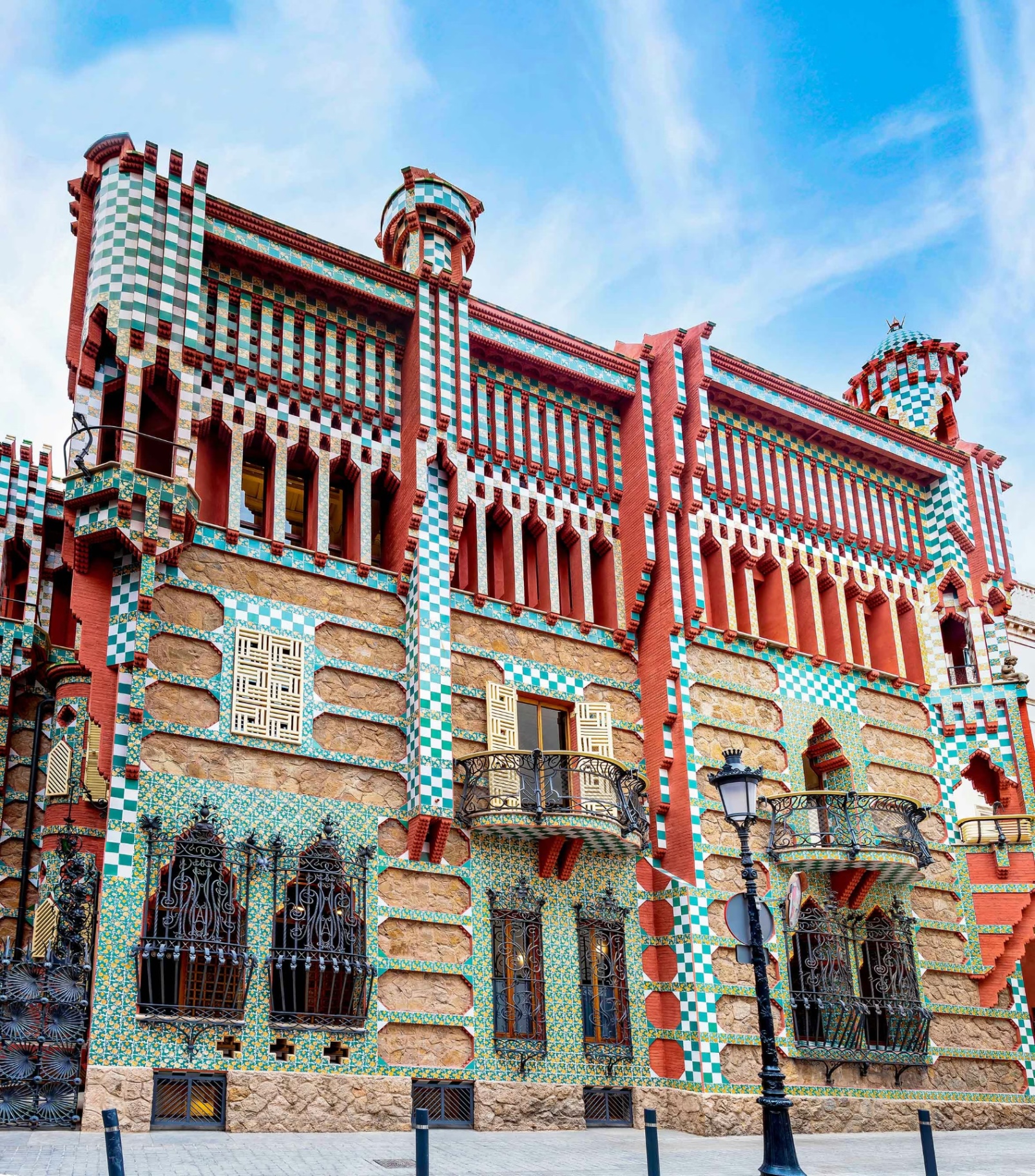
Casa Vicens
4.7Gaudí's very first house — a colorful UNESCO gem with Moorish-inspired tiles, ironwork palm leaves and an intimate garden hidden in the Gràcia neighborhood.
Designed by a young Antoni Gaudí between 1883 and 1885 as a summer residence for stockbroker Manel Vicens i Montaner, it is considered the first great work of Catalan Modernisme and one of the earliest buildings of European Art Nouveau. Gaudí drew inspiration from Moorish, Mudéjar and Oriental architecture, covering the facade with vivid ceramic tiles inspired by the marigolds that grew on the plot. Restored and opened to the public in 2017, it was declared a UNESCO World Heritage Site in 2005.
1hBarcelonaCasa Vicens — See detailsBook from €21Reserve - 8
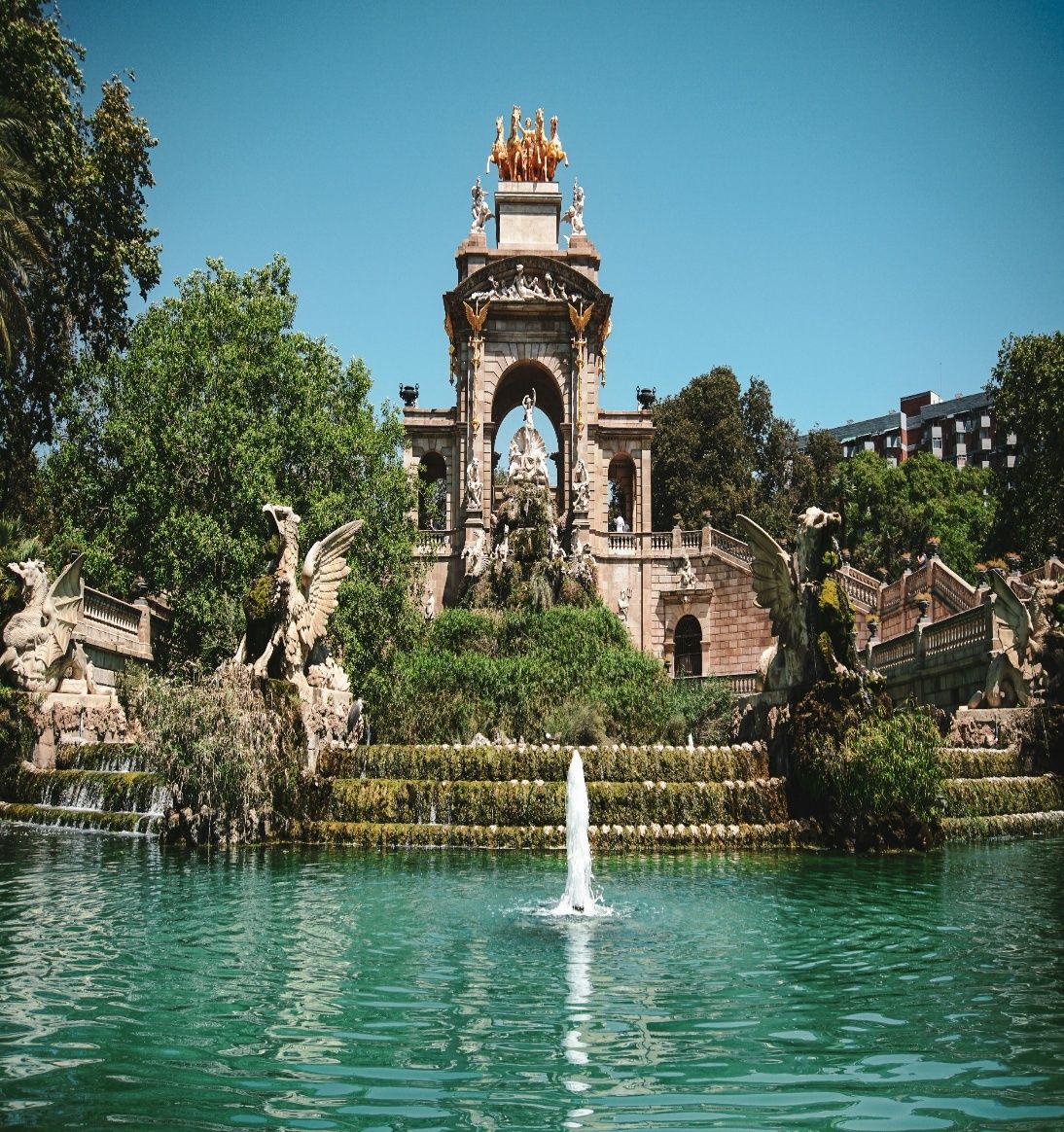
Barcelona's greenest escape, with a grand fountain, rowing boats and wide lawns ideal for picnics. The zoo entrance adds a family-friendly twist right in the heart of the city.
The site was a massive military citadel built by Philip V after 1714 to control the city; it was finally demolished in 1869. Landscape architect Josep Fontserè i Mestre designed the new park for the 1888 Universal Exposition, with a young Antoni Gaudí helping on the ornamental cascade. It matters because it turned a symbol of repression into Barcelona's first great public park and green lung, hosting a zoo, a lake and the modern Catalan parliament.
3hBarcelonaCiutadella Park & Zoo — See detailsBook from €23Reserve - 9
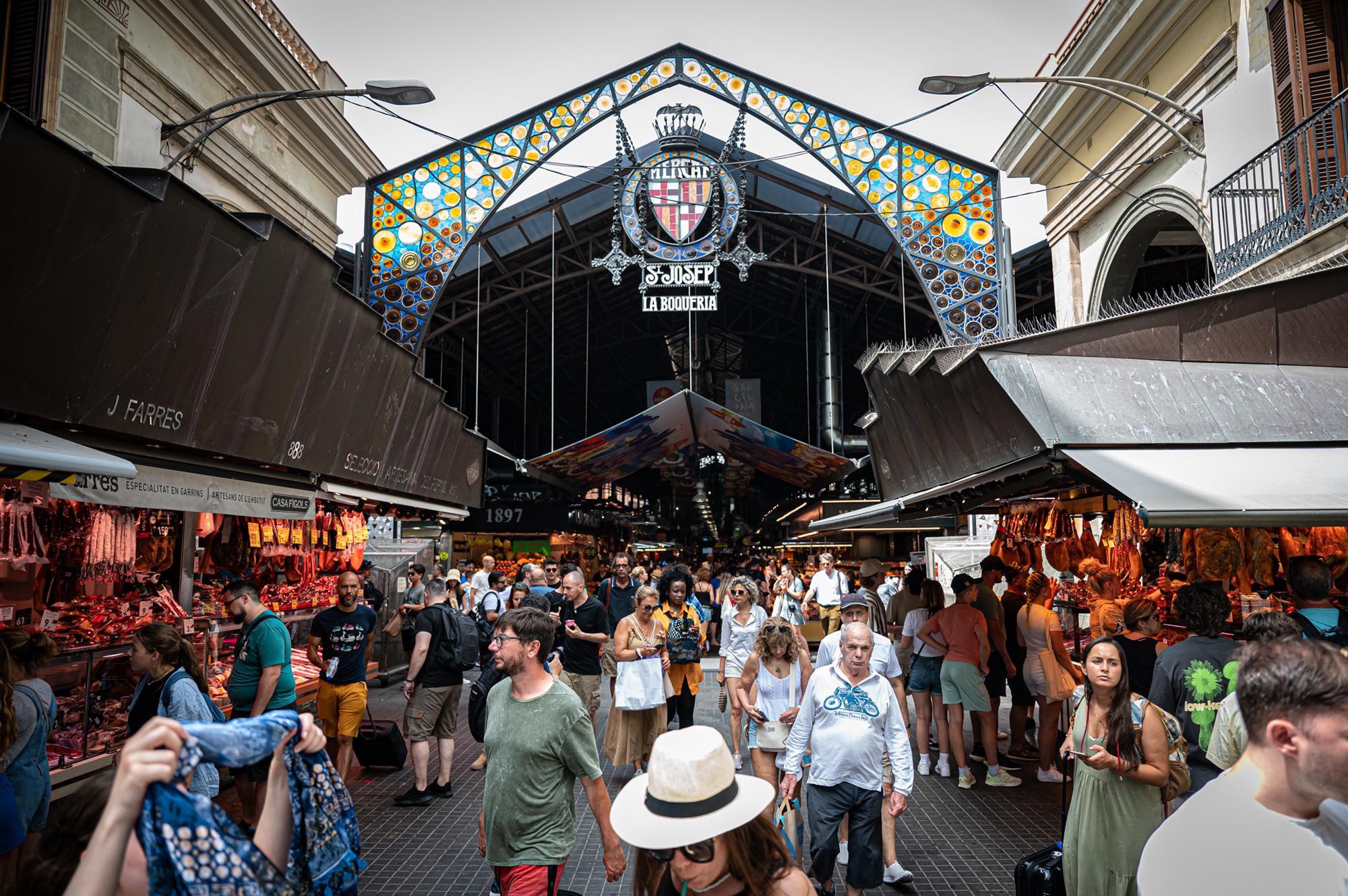
Stroll down Barcelona's most famous boulevard, alive with street performers, flower stalls and local energy. Dive into La Boqueria market for fresh juices, tapas bites and vibrant Catalan flavors.
La Rambla follows the bed of a medieval stream — ramla in Arabic — that ran outside the old city walls. The market roots trace back to the 13th century, but the current iron-and-glass hall was built from 1840 to a design by Antoni Rovira i Trias, with its Modernista entrance added in 1914. It defines Barcelona because it is the city's living promenade, where locals, performers, flower stalls and the historic food market have mingled for centuries.
2hBarcelonaLa Rambla & Boqueria Market — See details - 10
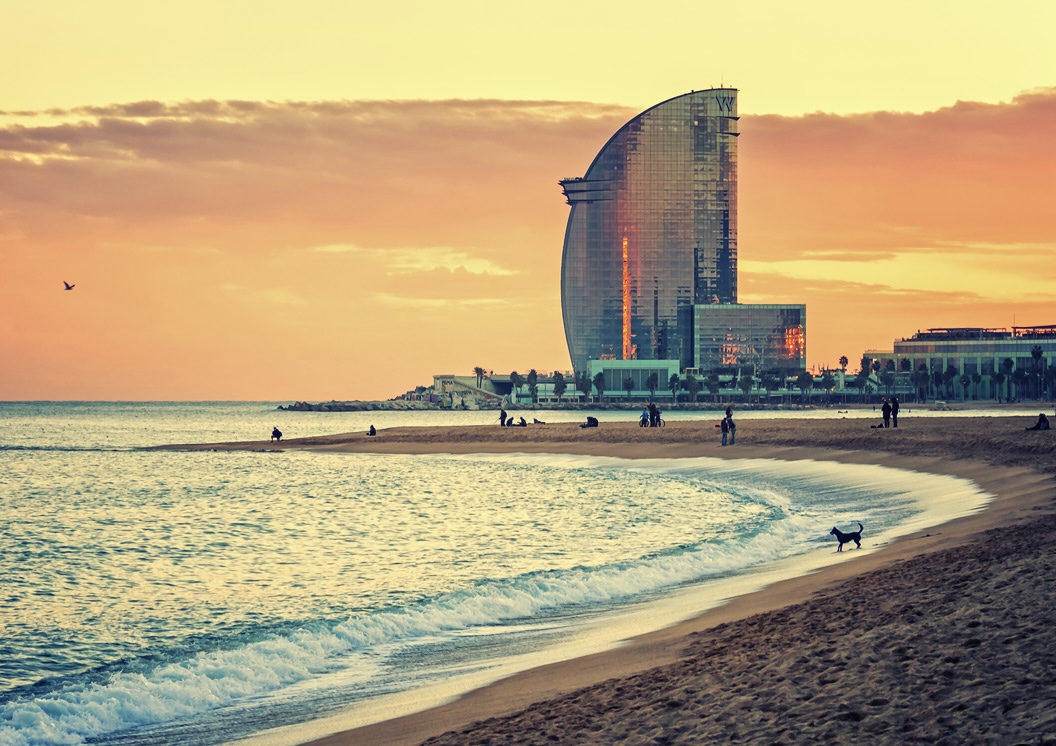
Soak up the Mediterranean sun on wide golden sands just minutes from the city center. Choose lively Barceloneta or the more relaxed Bogatell for beach bars, paddle games and sea breezes.
Barcelona's beaches were entirely reclaimed for the 1992 Olympic Games, transforming a run-down industrial waterfront into 4.5 km of coastline. Barceloneta itself was built in the 18th century to rehouse residents displaced by the Ciutadella fortress.
3hBarcelonaBarceloneta or Bogatell Beach — See details